Author: Isaiah Garza

How Home Financing Options Support Community Growth in Faith-Based and Family-Oriented Neighborhoods

Communities that share values, like faith or family, don’t just happen on their own. They are shaped by the economy, which determines who can afford to live and what gets invested in the neighborhood over time. Home financing options play a role in this. For example, solutions like VA home loans in South Carolina have helped veterans and their families live in communities that reflect their values.

The Connection Between Homeownership and Community Stability

Homeownership has long been associated with community stability, and the research generally supports this intuition. Homeowners tend to stay in communities longer, invest more in local schools and civic institutions, and build deeper relationships with neighbors. In faith-based communities in particular, stable, long-term residents are the backbone of religious institutions, the families who volunteer, lead programs, and pass traditions down to the next generation.

When financing options are accessible and appropriate for the community’s income profile, homeownership rates rise and the virtuous cycle of community investment deepens. When financing is difficult to access or poorly suited to residents’ circumstances, communities struggle to maintain the stability that makes them distinctive and desirable.

VA Home Loans in South Carolina and Their Community Impact

South Carolina has military bases, so a lot of people are veterans or active duty service members. VA home loans give them financing terms, like no down payment requirements and competitive interest rates.

This makes a difference in community formation. Families can buy homes earlier, start building equity and establish roots in communities that align with their values. VA home loans have helped veterans families become a part of neighborhoods across the state.

Faith-Based Communities and Mortgage Accessibility

Many faith-based communities help their members buy homes recognizing that stable housing is important for family wellbeing and community engagement. Churches and religious organizations sometimes partner with lenders to provide financial education, down payment assistance or connections to good loan products.

This kind of community support for homeownership shows that the health of a faith community is connected to the stability of its members. When families are secure in their housing, they can give more, volunteer, and invest in their community.

Family-Oriented Neighborhoods and Long-Term Investment

Neighborhoods with strong family orientation, good schools, parks, safe streets, community organizations, command premium real estate prices, but they’re also where the demand for homeownership is strongest. The families who most want to live in these communities are often those most committed to maintaining and improving them. Supporting their access to homeownership through programs like VA financing or first-time homebuyer assistance programs is an investment in community quality.

Home financing isn’t just a financial transaction, it’s the mechanism through which individuals and families become rooted members of communities. In South Carolina, programs like VA home loans are helping veterans and their families build the kind of stable, values-driven community lives that strengthen neighborhoods and the institutions within them. Understanding these financing options, advocating for their accessibility, and connecting families with the resources they need is a form of community building in itself!

What Types of Properties Do Property Managers Look After for Clients?

Have you invested in multiple rental properties to earn revenue? However, it is challenging to manage tenants and collect rents every month. That is why most investors engage professional property managers to keep their investments running smoothly. These experts are skilled at settling tenant issues and managing maintenance. They even develop a positive relationship with your tenants and maintain a good image of your business. But, for what type of properties should you hire these experienced managers in Oklahoma?

Depending on the type of property, your managers will take different responsibilities. They use their skills and knowledge to overcome unique challenges with property management.

Residential Properties

Those who own multiple residential houses can hire property managers for better control.  Some common types of residential properties are:

  • Single-family homes
  • Manufactured homes
  • Vacation rentals
  • Apartments
  • Multifamily homes
  • Condominiums
  • Town houses

Regular property upkeep is important to earn from these residential houses. So, you can hire experts for professional property management in Edmond, OK. Experienced property managers will provide a range of services for your residential property.

  • Market the vacant units.
  • Oversee your tenant screening.
  • Select reliable tenants
  • Maintain the profitability of your property business.
  • Create a landlord-tenant relationship.
  • Manage lease agreements and financial reporting.

Financial management is the most significant responsibility of a residential property manager. Thus, the expert tracks your earnings and operating costs every month. With professional assistance, you will earn more from your residential houses.

Commercial Properties

Many investors have invested in commercial properties, such as:

  • Industrial units
  • Retail outlets and gas stations
  • Office buildings
  • Hotels and other accommodations

Properties used for commercial purposes are larger than residential ones. It is also difficult to manage them without expertise and skills. However, you can maximize your income with proper commercial property management in Oklahoma.

The major responsibility of a manager is lease management for a commercial property. Leases are more complex and longer compared to those of residential management. Commercial-oriented clauses are also included in the agreement.

The primary goals of commercial property management are to:

But, remember that business cycles and economic conditions in the locality may affect your income.

Special-Purpose Properties

Some properties are designed to be used for special purposes, such as:

  • Educational institutions
  • Healthcare units
  • Religious buildings
  • Recreational centers

Your managers need specialized knowledge to manage these properties. They should understand the way to comply with industry-related regulations.

For instance, proper sterilization procedures are a priority in a healthcare facility. Similarly, safety measures are important for managing an educational institution.

Thus, property managers should maintain the integrity and functionality of the property while meeting users’ needs.

All in All

Well-trained property managers have expertise in managing residential complexes and commercial offices. They aim to remove their clients’ concerns and make their businesses profitable.

So, you can entrust your property to a highly skilled manager. The expert will protect your investment and ensure a long-term value! 

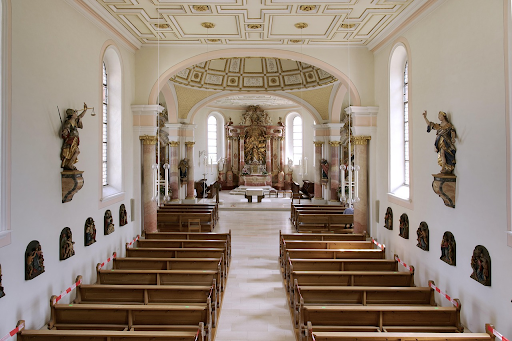
Best Practices for Church Renovations & Expansions

Remodeling and expanding a church goes beyond a building project. It’s a chance to improve the space in which your congregation meets, worships, and grows together. But with major undertakings like that, how do you ensure the project aligns with your vision and your community’s needs? Using sound principles, an area can be a sacred space that looks good, works well, and is built to last. 

Start with a Clear Vision and Purpose  

Each successful church remodel begins with purpose. Ask yourself: what is this project supposed to accomplish? Is it for a growing congregation, preserving historical elements, or increased accessibility? But clearly defining your goals early on will help drive every decision, from design to materials. Also, you’ll want to involve key people, such as church leaders, church members, architects, etc., to help the vision fit the community’s needs.

Preserve the Church’s Unique Character 

Churches are often steeped in history, and retaining their unique character is important. However, while modern upgrades may improve functionality, they should not overrun the building’s spiritual and architectural identity. For example, when replacing tired elements, like vents, consider using flush wood floor vents to keep with the same design. This balance of the old and new keeps the space timeless and current.

Prioritize Accessibility and Inclusivity

As communities become increasingly diverse, this challenges churches: how do they make themselves accessible to all members? Renovations may incorporate features such as wheelchair ramps, wider doorways and accessible restrooms. Include anything that needs to be addressed for those with visual or hearing impairments by the use of technology such as assistive listening devices and appropriate lighting. Being inclusive makes sure that everyone in the church environment feels at home.

Invest in Sustainable and Durable Materials

Even churches are beginning to pay attention to sustainability. Choose sustainable materials that create a minimum environmental effect and are long-lasting and economical. Utility costs, for example, can be reduced over time by using energy-efficient lighting, solar panels, and high-quality insulation. Not only do these decisions save money, but they also show stewardship of resources—which many congregations strongly value.

Plan for Future Growth

Expansion for churches means using the vision of the future. Extrapolate what your space could do for the congregation five, ten, or twenty years into the future. Smart investment means flexible designs, like multipurpose rooms that can be configured to host different types of events. This innovative strategy allows your church to grow without making repeated renovations.

Work with Experienced Professionals

Finding a partner who knows church renovations is vital. Designers, builders, and project managers experienced in sacred spaces know these projects’ challenges. They can help maintain the integrity of the building while still allowing for modern upgrades to comply with safety and building codes. They could save you time, energy, and money.

Engage the Congregation Throughout the Process

Renovations and expansions require community involvement. Keep your congregation up to date and involved throughout the process. Hold meetings, circulate updates, and solicit feedback. This creates a sense of ownership and excitement among its members. When the job is done, it will be a feeling of connection to the space the community helped shape.

Build a Space That Inspires  

Renovating or expanding your church is an impactful project that requires careful planning and execution. Following these best practices will help you create a space that honors your church’s legacy while serving the needs of today’s congregation. Start with a clear vision and work with pros to ensure every detail aligns with your mission. 

Take the first step today—your church’s future starts now.  

Christian Views on Sustainable Smart Homes

In today’s environmentally conscious era, the idea of sustainable smart homes has gained immense traction. Especially for devout Christians, the fusion of modern technology with sacred stewardship principles creates a distinct chance to respect their faith while simultaneously safeguarding our shared home – Earth. In the ensuing guide, we delve into the ways Christians can integrate green living habits within their residences, thus harmonizing them with their spiritual convictions.

The Wisdom of Biblical Stewardship

The Holy Bible is basically the ultimate guide to eco-friendly living, reminding us that we’ve got a divine duty to play gardener-in-chief on this planet. From Genesis 2:15, where Adam gets the original gardening task, it’s clear we’re meant to pamper this blue marble of ours. So for Christians looking to sprinkle a little sustainability around the house, consider it a heavenly mandate. By appreciating these sacred codes, followers can view sustainability as an act of worship, answering God’s call to protect His creation.

Embracing Energy-Efficient Illumination

Switching to energy-efficient lighting is like giving your home a green makeover without the paint fumes. LEDs, the superheroes of bulbs, use up to 75% less energy and last 25 times longer than those old incandescent lights. It’s a bright idea that even the Apostle Paul would approve of, as it echoes our duty to be “faithful stewards” (1 Corinthians 4:2) of Earth. So, why not let your light shine a little greener and shrink that carbon footprint with style?

Investing in Smart Thermostats

Smart thermostats: the clever way to keep your smart home green and your eco-guilt on ice. Gadgetry like the Nest Learning Thermostat comprehends your routine and accordingly modulates the temperature, boosting energy efficiency and slashing heating and cooling expenses by roughly 10-12%. For the Christian community, investing in such ingenious technology aligns with the biblical stewardship principle, encouraging judicious resource usage and curbing unnecessary consumption.

Opting for Eco-Conscious Building Materials

Selecting eco-friendly construction materials when erecting or refurbishing a home is paramount for sustainability. Green alternatives like bamboo flooring, recycled metal roofing, and non-toxic paints not only lessen environmental impact but also fashion healthier living environments. Employing these materials manifests the Christian commandment to “do unto others as you would have them do unto you” (Matthew 7:12), ensuring the world is conserved for our descendants.

Engaging with Groundbreaking Technologies and Brands

The integration of pioneering technologies such as smart home security in AZ, along with collaborations with environmentally-aware brands, can bolster Christians in their mission to uphold sustainable smart homes. Leading companies provide products that amplify domestic efficiency and sustainability. By becoming customers of these enterprises, Christians can drive the market towards more principled consumerism, thereby embodying their faith in a practical way.

Molding a sustainable smart home harmonizes with Christian values of stewardship, creation care, and prudent resource management. By incorporating elements like energy-efficient lighting, smart thermostats, eco-friendly materials, and innovative technologies, Christians can craft dwelling places that pay homage to God and cherish our planet. Immerse yourself in the shift towards sustainable living; explore these practices and brands, and unearth how your home can mirror your faith in substantial, compelling ways.

Pest Control Strategies for Christians – Is There a Solution for All?

Pests are an unwelcome charge in the homeowners’ garden of Eden, and for the conscientious Christian, the question of dealing with them extends beyond practicality to ponder ethical and spiritual realms. This article is a compassionate plea for the Christian homeowner who seeks to respect nature and still maintain a pest-free zone.

Understanding The Problem

Common household pests, like ants, rodents, and termites, aren’t just a nuisance. They can undermine the physical sanctity of our homes as well as our spiritual peace. These are the proverbial serpents slithering in our well-kept garden, chipping away at the tranquility and integrity of our dwellings. Worse, many traditional pest control methods pose health risks to our kin and environmental threats that linger like the darker aspects of humanity’s fall from grace.

Ethical Perspective On Pest Control

For those who are faithful stewards of the Earth, the ethical struggle is real. The command to subdue the Earth does not imply a free hand in annihilation, clearly. Christians weigh even the tiniest of actions, conscious of their impact. The ethical dilemma arises when the sanctity of life, even those of miniscule creatures, faces the wrath of extermination. After all, the scripture does offer tales of reformation and second chances.

Eco-Friendly Pest Control Strategies

Recognizing that pests are not sinners, but merely errant beings in the elaborate scheme of creation, leads the conscientious homeowner to a path of reconciliation rather than retribution. Here are some eco-friendly strategies to consider:

  • Preventative Measures:

Employing sanctified methods like sealing entry points with caulks, and instituting proper waste management as a form of atonement for the filth that often attracts these harbingers of chaos.

  • Natural Repellents and Deterrents:

In the same way that scripture encourages the casting out of demons, pests too can be exercised from our homes without invoking the same arsenals others might. Contact professionals in pest control in Sarasota, FL for their expert advice. 

  • Biological Control:

Introducing natural predators, such as cats, into the home not only serves as an emblem of hospitality but as a natural deterrent against smaller house pests.

  • Prayer and Prevention Kits:

A playful yet poignant suggestion is the curation of prayer and prevention kits, containing verses that can be recited while ‘saging’ the home with insect-repelling herbs and essential oils.

Finding the balance between the management of pests and the mindful application of control is not only practical but a profoundly spiritual endeavor. 

The conscientious Christian homeowner can indeed draw upon their faith as a foundation to construct a home that is not only pest-free but also free from the guilt that often comes with harsh pest control measures. We hope these strategies provide a bridge between your faith and the stewardship of your home, your sanctum sanctorum in this mortal realm.

Read Our Other Blog: How to Identify and Prevent Leaks in Roof Construction

How to Identify and Prevent Leaks in Roof Construction

A leaky roof can cause significant damage to your home, leading to structural issues, mold growth, and expensive repairs. Identifying and preventing leaks in roof construction is crucial to maintaining the integrity of your property. Don’t worry, we’ve got lots of valuable information for you today! 

Why are Leaks So Problematic?

The damaging effects of leaks are multifaceted. First and foremost, leaks compromise the structural integrity of your home. Over time, water penetration can weaken the wooden framework, causing it to rot or warp. This can result in sagging ceilings, wall cracks, and even complete roof collapse in severe cases. Furthermore, leaks create a breeding ground for mold and mildew, which not only pose health risks but also lead to unpleasant odors and unsightly stains.

Causes of Roof Leaks

Several factors can contribute to roof leaks, with the most common causes being:

  1. Damaged or missing shingles: Shingles act as a protective layer against water infiltration. If they are cracked, broken, or missing, water can seep into the underlying layers and eventually make its way into your home.
  2. Improper flashing installation: Flashing refers to the metal or rubber strips installed around chimneys, vents, and other roof protrusions. If flashing is incorrectly installed or damaged, it can create vulnerable areas where water can enter.
  3. Clogged gutters and downspouts: Gutters and downspouts play a crucial role in diverting water away from your roof. When they become clogged with leaves, debris, or ice, water can accumulate and back up onto the roof, leading to leaks.
  4. Faulty seals around roof penetrations: Any roof penetration, such as vents, skylights, or chimneys, must be properly sealed to prevent water from entering. Over time, seals can deteriorate due to age or exposure to harsh weather conditions, leading to leaks.

How to Prevent Roof Leaks 

To prevent leaks and safeguard your home, here are some essential tips:

  1. Regular roof inspections: Conduct routine inspections of your roof, especially after severe weather events. Look for signs of damaged or missing shingles, deteriorated flashing, and other potential vulnerabilities. Catching problems early can prevent them from escalating into major leaks.
  2. Keep gutters and downspouts clean: Regularly clean and maintain your gutters and downspouts to ensure proper water flow. Remove leaves, debris, and check for any signs of damage. Consider installing gutter guards to minimize debris accumulation.
  3. Maintain proper attic ventilation: Adequate attic ventilation is crucial for preventing moisture buildup and reducing the risk of leaks. Make sure your attic has proper insulation and ventilation to allow for airflow and prevent condensation.
  4. Address leaks promptly: If you notice any signs of a leak, such as water stains on ceilings or walls, musty odors, or dripping water, take immediate action. Identify the source of the leak and make necessary repairs or hire a professional roofing contractor for residential or commercial roof repairs in Ormond Beach.
  5. Schedule professional roof maintenance: Regularly enlist the services of a professional roofing contractor to conduct thorough inspections, maintenance, and repairs. Their expertise can help identify potential issues and ensure your roof remains in optimal condition.
  6. Invest in high-quality materials and professional installation: When constructing or renovating your roof, choose high-quality materials and work with reputable contractors who specialize in roofing. Proper installation using quality materials can significantly reduce the likelihood of leaks.

Read more: Why Private Equity Firms are Getting into the Roofing Market

Understanding The Beliefs Of Baptist Christians

Baptists are Christians who believe in baptism by immersion for the forgiveness of sins. They also believe in the separation of church and state, and the freedom of each individual to choose their own religious beliefs. Baptists are active in missions and evangelism, and there are many Baptist churches in Minnesota.

Who Are Christians

Christians are people who have chosen to follow the teachings of Jesus Christ. Christianity is based on the belief in one God who created the world and all that exists in it. Christians believe in the Bible as the authoritative source of religious teachings. They also believe in the importance of spreading their faith to others through evangelism and missionary work. Christians have a shared set of beliefs in regards to salvation and redemption. They also place a high importance on living a moral life according to the teachings of Jesus Christ. Christians have a wide range of denominations and beliefs within their faith. However, they all share a common belief in the existence of one God and the divine teachings of Jesus Christ. Christians make up a large percentage of the world’s population and can be found in every corner of the globe.

History Of Christianity

Christians have a long and rich history dating back to the time of Jesus Christ. Christianity is one of the largest and most influential religions in the world. Christians believe in the Bible as the authoritative source of religious teachings. They also believe in the importance of spreading their faith to others. Christians have a shared set of beliefs in regards to salvation and redemption. They also believe in the bodily resurrection of Jesus Christ. Christians place a high importance on ethical living and love for others. Christians have had a significant impact on the world through their charitable work, missionary work, and educational institutions. Christianity is a major force in the world today and Christians are some of the most active people in terms of spreading their faith.

How Many Christians Worldwide

Christians have a long and rich history, and there are an estimated 1.2 billion Christians worldwide. Christianity is one of the oldest and most influential religions in the world, with followers all over the globe. Christians believe in the Bible as the authoritative source of religious teachings. Christians also believe in the Trinity, which is the doctrine that states there is one God who exists as three persons: the Father, the Son, and the Holy Spirit. Christians are called to follow Jesus Christ as their personal savior. Christians are also expected to spread the gospel, or good news, of Jesus Christ to others. Christianity is a monotheistic religion, which means Christians believe there is only one God.

Religion is a set of beliefs concerning the cause, nature, and purpose of the universe, especially when considered as the creation of a superhuman agency or agencies, usually involving devotional and ritual observances, and often containing a moral code governing the conduct of human affairs.

What Is Organized Religion

A religion is an organized collection of beliefs, cultural systems, and world views that relate humanity to an order of existence. Many religions have narratives, symbols, and sacred histories that are intended to explain the meaning of life and/or to explain the origin of life or the universe. From their beliefs about the cosmos and human nature, people derive morality, ethics, religious laws or a preferred lifestyle. According to some estimates, there are roughly 4,200 religions in the world.

The word religion is sometimes used interchangeably with “faith” or “belief system”, but religion differs from private belief in that it has a public aspect. Most religions have organized behaviors, including clerical hierarchies, a definition of what constitutes adherence or membership, congregations of laity, regular meetings or services at well managed facilities for the purposes of veneration of a deity or deities, strict codes of ethics, and sometimes a codified system of ritual law. Religions may also contain mythology.

Five Ideas for Managing Commercial Property Successfully

Commerce property on the board is necessary to keep up with your venture portfolio or work environment. The resource should be updated and redesigned to keep it alluring, modern, fundamentally sound, and prepared for use. The business property on the board varies from private properties due to the different kinds of land in the area, for example, retail locations, stockrooms, workplaces, malls, and productive land, and that’s just the beginning. Also, to manage commercial property successfully, you need to make certain investments. For example, you can go for a multifamily real estate investment company.

A commerce property supervisor isn’t simply associated with renting the resource yet additionally promoting, exchanging, following guidelines, understanding business sector factors, following rental pay, and so forth. Thus, the following are five hints that can assist you with effectively overseeing business properties.

Ideas for Successfully Managing Commercial Property

These are a few tips and ideas for successfully managing commercial property and advice you can take from commercial property management phoenix.

1. Understand your property needs

As a property supervisor, it is fundamental to evaluate the property exhaustively to recognize the issues and foster procedures for successful administration. For example, they ought to know about the property type, floor size, business drafting regulations, current market esteem, appreciation, anticipated rental pay, month-to-month expenses, etc.

Only when and except if the property supervisors know about the one-of-a-kind qualities of their resource can they oversee it. The upkeep of the land lies on their shoulders. Consequently, they should know about the nuts and bolts of the property.

2. Use commercial property management software

On the off chance that you oversee business land in Sydney, you have too much going on. A framework can only oversee the gigantic measure of information about the property’s monetary, underlying, and upkeep parts.

In this manner, putting resources into the commercial property, the board programming is excellent for monitoring the rental pay, outgoings, protection, land charge, occupants, nearby committee guidelines, examinations, upkeep work, and so on. The device assists with keeping all the data in a systematic and smoothed-out way to lessen your responsibility and the potential outcomes of committing errors.

3. Develop a property maintenance plan

The business property maintenance is a pivotal piece of the supervisor’s plan for the day. It keeps the resource in ideal shape with next to no gamble of harm. For example, spilling pipes that can explode and annihilate stock and walls. Therefore, the administrator must routinely look at every one of the machines, pipes, wires, water frameworks, washrooms, kitchens, entryways, windows, forced air systems, rugs, and so forth.

It will assist with distinguishing issues right in time to stop them from the beginning. It is a horrible plan to hold on until something tumbles off or is very nearly a breakdown to sort it out. An upkeep plan will remind you to inspect the property back to front and forestall setbacks.

4. Managing property expenses

While the inhabitants pay the active utilities, they should be overseen during the opening. Likewise, the property administrator must put the cost of the regular upkeep work in the financial plan.

Whether spontaneous support costs or arranged, they should be fittingly recorded, and the month-to-month financial plan should oblige these expenses. Given the gauge, the director can go into a yearly upkeep contract with a specialist co-op and save money on support costs.

5. Always be upgrading

Making routine moves to your office could sound costly, yet it can influence your primary concern. The present business leaseholders are searching for fresher spaces with additional conveniences – and you want to refresh and move up to contend. However, refreshes can be finished redesigns.

Modest yet viable updates incorporate overhauling light apparatuses, smoke alarms, and more modest electrical machines like fans, copiers, and TVs for entertainment.

Conclusion

It’s essential to manage and keep a commercial property. These are a few tips you can consider if you want to organize a commercial property. Therefore all readers can choose commercial property management in phoenix if they manage their property effectively. They provide you with the best solutions.

Read More: How Did Religion Start?

How Did Religion Start?

At the beginning of time, there was no religion. There were just people who believed in different things. They had their own reasons for believing them, but they still didn’t know about Christianity or Christ. Without Christianity, christ (or) to enlighten man, he was lost in his beliefs.

What Are The Most Common Religions?

There are many religions in the world. Christianity is one of them. There are also religions such as Islam, Jehovah’s Witnesses, Mormons, Pagans, and many more.

What Is A Christian Person?

A Christian is someone who believes that Jesus Christ (or) to enlighten man, he was lost in his beliefs. www.wikihow.com/Be-a-Christian. He is God’s son.

Who Is Jesus Christ?

Jesus Christ is the one who God sent to enlighten man, and he was lost in his beliefs. www.wikihow.com/Be-a-Christian. He died on a cross and rose from the dead so all Christians can have salvation.

What Was Jesus’ Mission?

Jesus christ’s mission was to help people on earth believe in good.

What Is The Holy Spirit?

The Holy Spirit is God’s third part. It is the person that Christians must have in their lives to live a Christian life.

Who Are The Apostles?

The apostles were Christ’s helpers or friends on earth who helped him spread Christianity and gave people hope.

Is Religion True Or False?

Religion is a set of beliefs that teach behavior and ways to please God.
Churches Are Also Called Temples? Yes, Christian churches are called temples. They have christ’s church in them too.

How Do You Become A Christian?

You can become a Christian by believing that Christ died for your sins and getting baptized in the faith.